
Countering missile threats with enhanced warning and tracking payloads
Missile speed, maneuverability, and destructive power requires more capable payloads for accelerated kill chain timelines.

Missile speed, maneuverability, and destructive power requires more capable payloads for accelerated kill chain timelines.

Space Systems Command (SSC) in recent weeks has issued a flurry of contracts for the key hardware and software "thrusts" that make up the FORGE program, following a restructuring in 2023 that broke the effort into more manageable pieces.

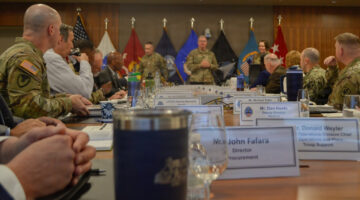
Supply chains are only as strong as their weakest link, which has been repeatedly proven to be true over the last few years.

The two Northrop Grumman satellites, which will take highly elliptical orbits over the Earth's poles, are expected to be launched in 2028.
The Next Generation Overhead Persistent Infrared constellation's first satellite may see its launch pushed back by a year to 2026.


Space Systems Command’s FORGE program is the first, major missile-warning software modernization effort in 20 years.

The Space Force expects the multi-faceted Future Operationally Resilient Ground Evolution (FORGE) program to cost a total of $2.4 billion.
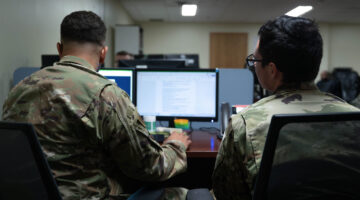
AI tools are critical components of modern warfare, but must be protected to ensure they are reliable.

The contract, announced by the company today, will support Space Systems Command's Program Executive Office for Space Sensing, which is responsible for the service's missile warning, weather monitoring and "persistent tactical surveillance" programs.
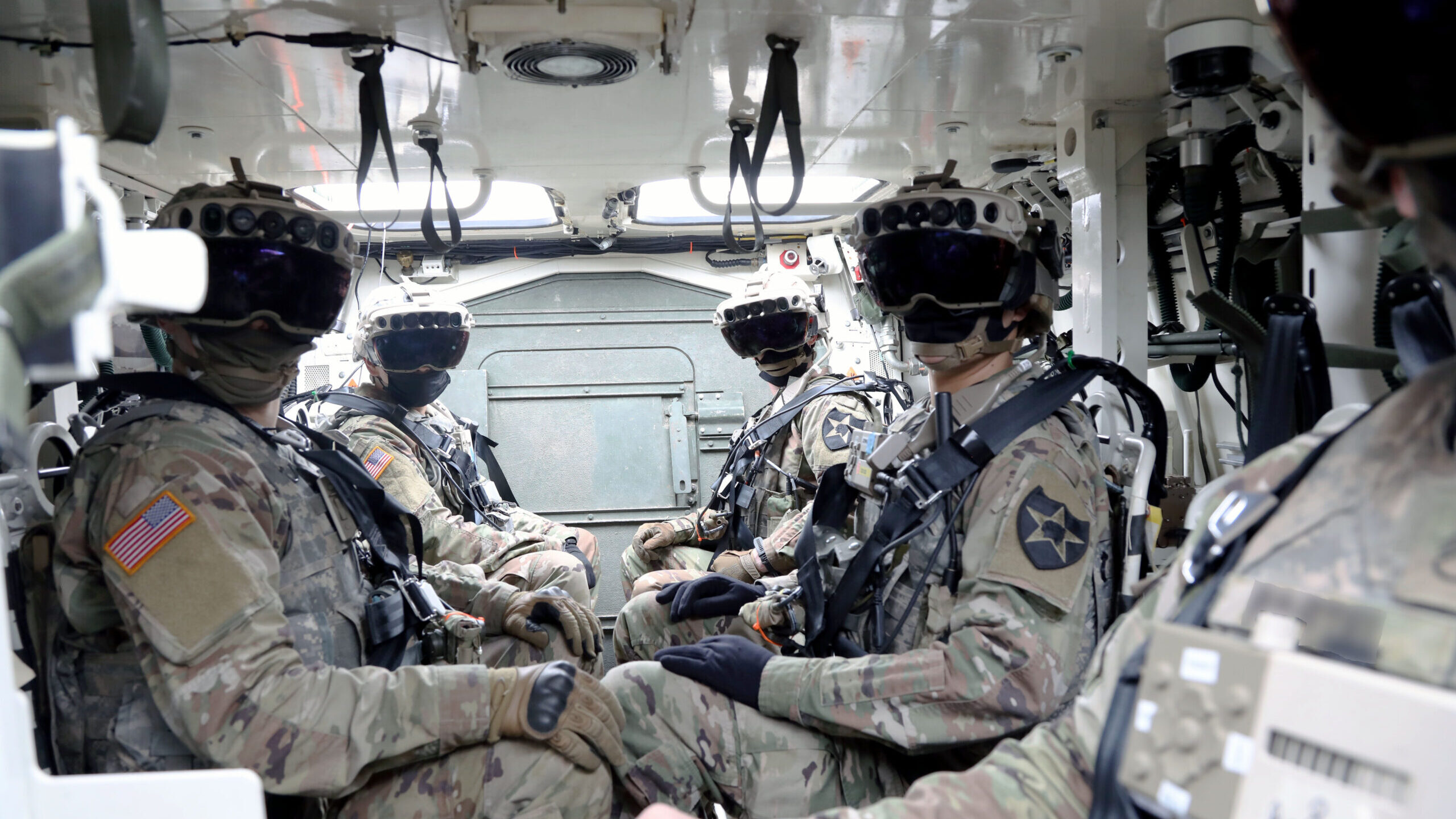
The watchdog's report is unsparing in outlining the cost increases and schedule delays for a majority of Defense Department programs.
Raytheon Intelligence & Space and Boeing's Millennium Space Systems are now on contract to deliver flight-ready prototypes by 2026.


A layered architecture of geosynchronous, medium-earth, and low-earth-orbit satellites will provide resilient sensor coverage for Joint All Domain Command and Control.

"Being able to tell the commander you don't need to do something is actually a pretty powerful message, as well."
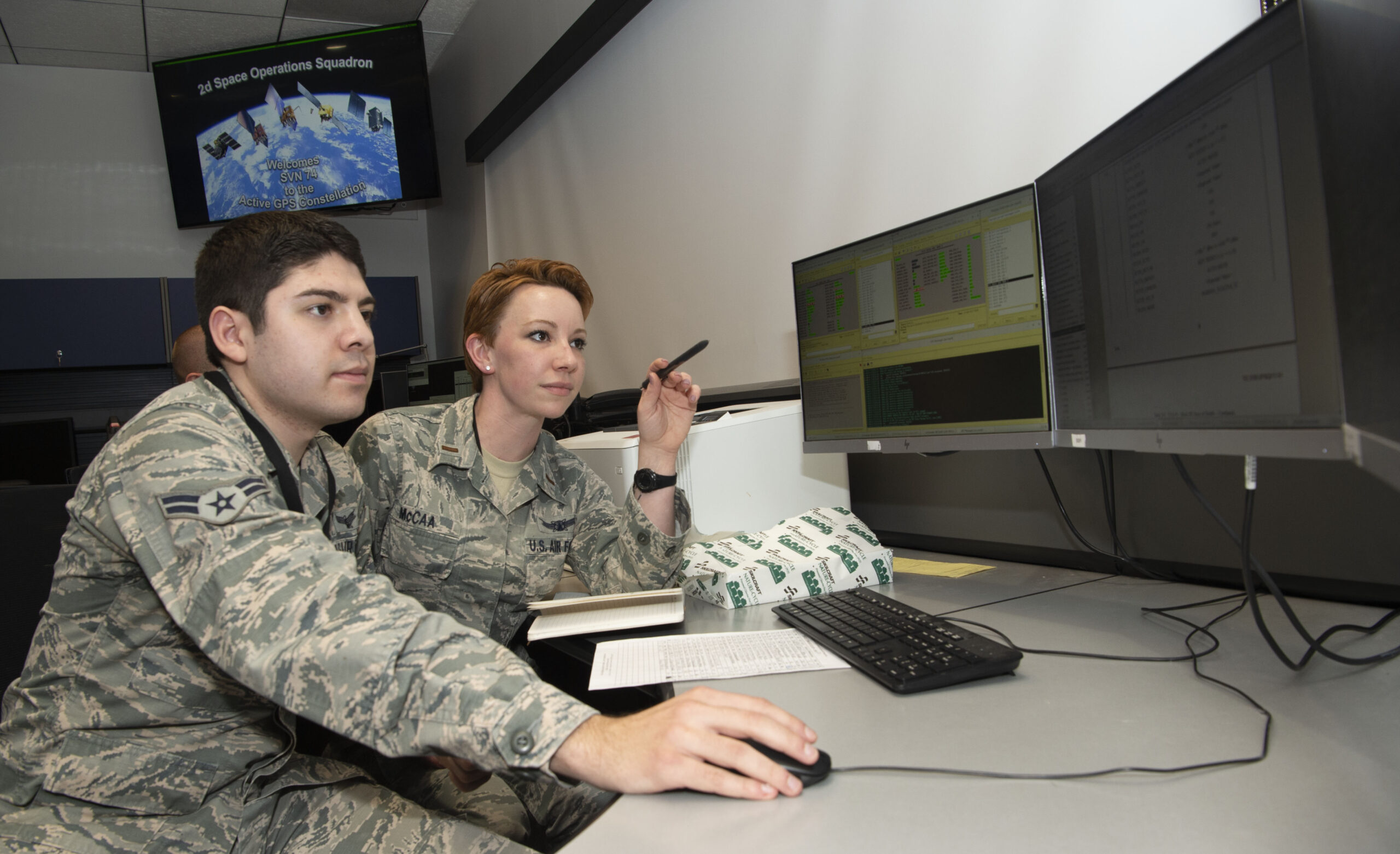
Instead of one mega-system to rule them all, the Enterprise Ground System (EGS) is building common components, from messaging standards to shared servers.

"The fiction that SDA and SMC are working together is just that," said a former senior DoD space official. "You know, they make nicey-nicey, but, the reality is that they're not working together."

“We’ve built an operating system that everyone can build applications for – from Raytheon to the Air Force to universities to small companies," says Dave Wajsgras, president of Raytheon ISS.